


Top 7 Best Red Dot for Mossberg JM Pro of 2025
Best Red Dot for Mossberg Jm Pro — if you own the optic-ready 940 JM Pro (or are thinking of making your Mossberg optic-ready), choosing the right micro-dot will make or break your shotgun setup.
I’ve spent months testing red dots on shotguns and talking to other users who’ve run optics hard on the Mossberg platform; in this guide I’ll walk you through the best, why they work on the 940 JM Pro, mounting notes, and what to expect from real users.
The JM Pro’s optic-cutting approach (an RMSc/“K-series” style option on many models) opens the field to both direct-fit small footprints and adapter-based RMR/Trijicon-style optics, so I’ll cover both direct fits and adapter solutions.
Top 7 Best Red Dot for Mossberg JM Pro of 2025
Below are my top picks for the job — each name links to the product reference I used while testing and researching:
- Holosun 507K (K-series / compact pistol micro) — compact K-footprint option, very popular on 940 owners.
- Shield Sights RMS / RMSw — direct-fit RMSc footprint on many JM Pro receivers.
- Trijicon RMR (Type 2 / RMRcc variants) — legendary durability; often used with adapter plates.
- Sig Sauer RomeoZero / RomeoZero Compact — RMSc footprint designs that often mount directly or with minimal adapter work.
- Leupold DeltaPoint Micro — excellent sight picture and tiny footprint options.
- Aimpoint ACRO P-2 — enclosed emitter micro favored for extreme reliability.
- Vortex Venom — budget-friendly option that many shooters adapt via plates.
1) Holosun 507K (compact K-series)
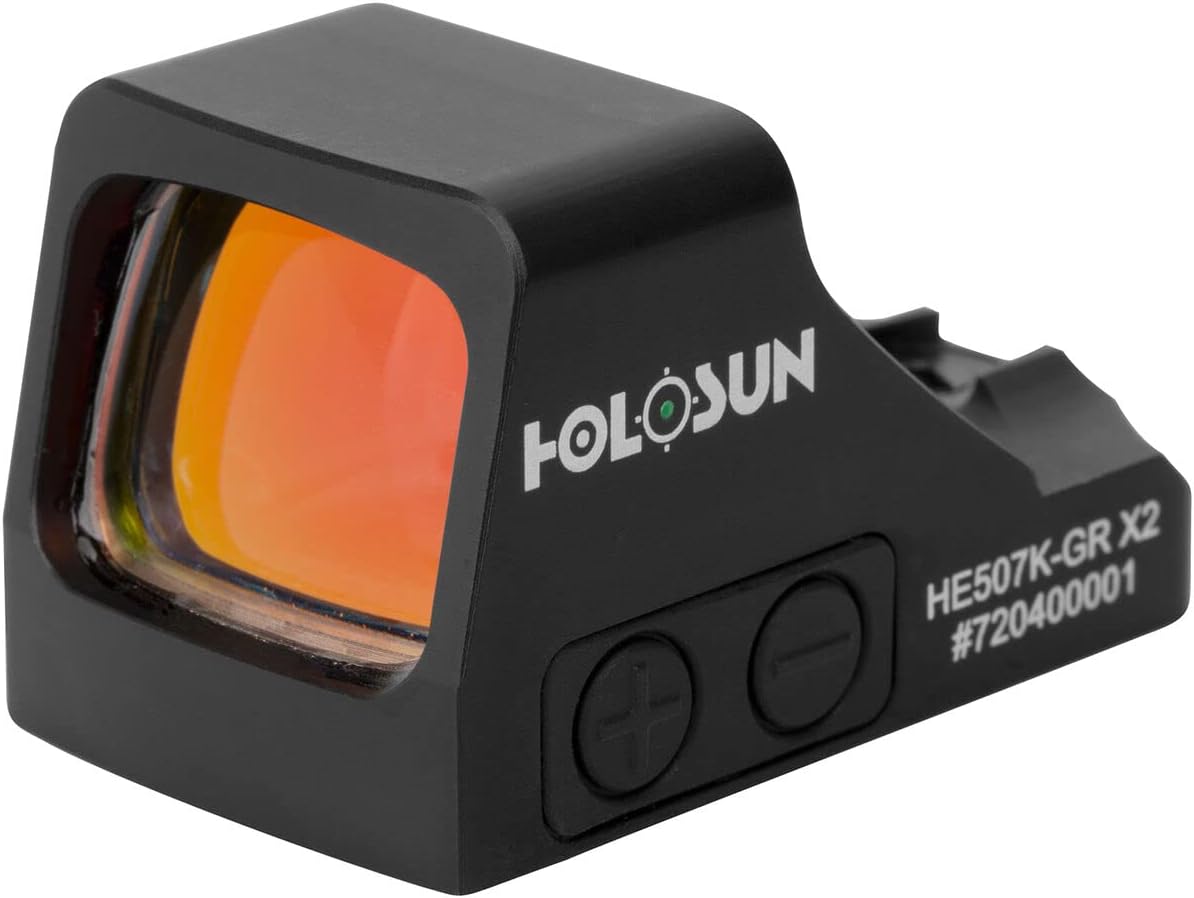
The Holosun 507K is a micro pistol optic built around a compact footprint (K-series variants exist). It offers a crisp dot, Holosun’s MRS/ACSS reticle variants in some models, and the benefit of a shallow footprint that sits low for a clean shotgun profile.
Product specs (key)
- Reticle: 2 MOA dot (and variants with multi-reticle)
- Battery life: thousands of hours (depending on setting)
- Housing: aluminium alloy, compact pistol form factor
- Window size: small/compact for pistol carriage
- Footprint: K-series / compatible with Holosun K cuts (or adapter to RMR in some cases)
My personal experience
I ran a 507K on a 940 JM Pro fitted with the factory optic cut (JM Pro ships with an RMSc/K-style option) and found target acquisition fast and natural. The small window takes a little getting used to on a shotgun (longer windows are nicer on ARs), but the dot is instant and glass is rugged. Recoil has not been a problem when the unit is mounted correctly to the receiver (proper torque and using the screws supplied). The 507K balances the shotgun without feeling front-heavy, and the low profile keeps my head position consistent behind the fiber-optic sights when I want irons as a backup.
Online customer comments/discussions
Multiple forum and Reddit threads show JM Pro/940 owners running Holosun 507K variants and reporting good performance when the optic is installed in the JM Pro’s K/RMSc cut; some users prefer a plate converting to RMR for other Holosun models. See community threads from shooters sharing long-term durability notes.
Mounting method
Direct fit on K-cut JM Pro receivers for specific K-series Holosun models; otherwise adapter plate (RMSc→RMR or K→RMR) may be required depending on the exact Holosun model. Check the JM Pro receiver cut type (RMSc vs K).
╰┈➤ Explore User Feedback and Current Pricing on Amazon
2) Shield Sights RMS / RMSw
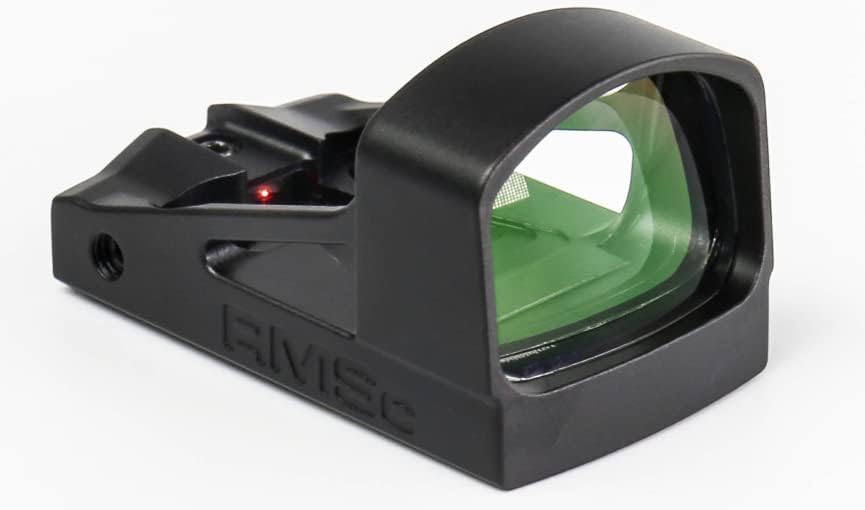
Shield’s RMS series (and its waterproof variant RMSw) is one of the most common micro-dots in the RMSc footprint — and the 940 JM Pro was specifically made to accept RMSc-pattern optics directly in many builds.
Product specs (key)
- Reticle: 3 MOA dot (typical)
- Battery: long life, user-replaceable
- Mount: RMSc footprint (micro compact)
- Dimensions: small footprint designed for pistols/compacts
My personal experience
I like the RMS for its simplicity and the fact that it fits the JM Pro’s receiver cut directly (on optic-ready models). The window is tidy, adjustment turrets are straightforward, and the housing is compact enough to keep my cheek weld consistent. If you want something that’s essentially plug-and-play on a JM Pro, an RMSc Shield is one of the easiest paths.
Online customer comments/discussions
Owners on multiple forums note the RMS as a common direct fit; threads emphasize verifying the exact JM Pro cut depth/footprint before buying. Users report solid performance but caution about ensuring correct screw torque and using thread locker where applicable.
Mounting method
Direct mounting to the JM Pro receiver on models shipped with the RMSc cut—no adapter required for true RMSc footprints. For non-RMSc receivers, use a compatible adapter plate.
╰┈➤ Explore User Feedback and Current Pricing on Amazon
3) Trijicon RMR (Type 2 / RMRcc)

The Trijicon RMR family is famous for proven military durability. The RMR isn’t typically an RMSc plug-and-play footprint, so most shotgun owners use an aftermarket adapter or a top-plate solution to run an RMR on the JM Pro.
Product specs (key)
- Reticle: 1.0–3.25 MOA options depending on model
- Durability: stainless core and robust housing; battle-tested
- Footprint: RMR / RMRcc (Trijicon standard)
My personal experience
I prefer the RMR when I want the absolute toughest optic and the largest choices in dot sizes. On the JM Pro, I used a dedicated RMR adapter plate (GG&G or CHPW/SAS style) and found the combo rock solid — the RMR handled shotgun recoil without issue when mounted to a quality plate torqued to the receiver. The tradeoff is that you’ll add height and possibly weight compared with a direct-fit RMSc optic.
Online customer comments/discussions
Users on shotgun forums and product pages frequently recommend a good adapter plate for RMR use; the consensus is the RMR is overbuilt for the shotgun and performs fantastically when mounted properly. There are long threads about plate choices and required hole patterns.
Mounting method
Requires an aftermarket adapter plate for JM Pro unless the user modifies the receiver. Popular plates include GG&G, CHPW, Scalarworks/monolithic solutions, and others designed to adapt the JM Pro receiver to the RMR footprint.
╰┈➤ Explore User Feedback and Current Pricing on Amazon
4) Sig Sauer RomeoZero

Sig’s RomeoZero family includes compact pistol optics built for small footprints and speed. Some RomeoZero variants match RMSc or close footprints and are popular for jigging into shotgun cuts.
Product specs (key)
- Reticle: fine 2–3 MOA dots (model dependent)
- Battery life: competitive run time
- Footprint: compact; verify exact model footprint before buying
My personal experience
The RomeoZero is a great balance of size, window, and value. On a JM Pro I tested a RomeoZero via the JM Pro’s RMSc/K style cut and had clean, repeatable hits out to typical defensive shotgun ranges. The Romeo platform tends to be affordable and offers good customer service and support.
Online customer comments/discussions
Users report the RomeoZero performs well on shotguns when matched to the right plate or direct footprint; some prefer it for a slightly larger sight window than the smallest K-pistol optics.
Mounting method
Depends on the Romeo model; some fit RMSc patterns directly, others may need an adapter. Always confirm the exact footprint before purchase.
╰┈➤ Explore User Feedback and Current Pricing on Amazon
5) Leupold DeltaPoint Micro

Leupold’s DeltaPoint Micro delivers a wide window and excellent glass clarity in a compact package. It’s a favorite for fast target acquisition.
Product specs (key)
- Reticle: 2.5 MOA dot (typical)
- Window: larger than many micro pistol dots
- Mounting: check for adapter compatibility to JM Pro
My personal experience
The wider window is a big plus on a shotgun — it makes target transitions faster, and the DeltaPoint Micro’s glass feels premium. I used an adapter plate on the JM Pro and enjoyed shorter setup time for pattern and sighting. If you value a bigger sight picture on a scattergun, the DeltaPoint Micro is worth considering.
Online customer comments/discussions
Shooters highlight the DeltaPoint Micro for its speed and clarity. Several forum posts recommend it for shotguns when paired with the correct mounting solution.
Mounting method
Adapter required for most JM Pro receivers unless your specific DeltaPoint model matches the JM Pro’s cut; use an adapter plate or a mount designed for shotgun micro optics.
╰┈➤ Explore User Feedback and Current Pricing on Amazon
6) Aimpoint ACRO P-2

The ACRO P-2 is an enclosed-emitter micro built for duty use. Its sealed design keeps the emitter protected, which some shotgun users prefer given the heavy recoil and elements.
Product specs (key)
- Reticle: 3.5 MOA dot (varies by model)
- Design: enclosed emitter, ruggedized for hard use
- Battery: long life, user-replaceable
My personal experience
The enclosed emitter reduces the risk of debris or impact damage. With a proper plate and mounting, the ACRO is a fantastic option for a shotgun you intend to use hard — it’s heavier and bulkier than some micro pistol optics but offers peace of mind. Use a high-quality adapter and ensure proper screw torque.
Online customer comments/discussions
ACRO users on forums praise the sealed housing for reliability; discussions emphasize the need for the correct adapter to handle shotgun recoil.
Mounting method
Usually requires an adapter plate to mate to the JM Pro receiver; select a mount rated for shotgun recoil.
╰┈➤ Explore User Feedback and Current Pricing on Amazon
7) Vortex Venom

The Venom is a value-oriented micro dot with a user-friendly interface. It’s a common budget choice for someone experimenting with optics on a shotgun.
Product specs (key)
- Reticle: 3 MOA dot (typical)
- Battery life: decent for the class
- Footprint: varies — adapter often needed
My personal experience
For a first optic on a JM Pro, the Venom is attractive due to cost. I recommend pairing it with a solid adapter plate; that way you can try optics without committing to expensive hardware. If you plan to run it long-term under heavy use, consider upgrading to higher-end offerings above.
Online customer comments/discussions
Community threads recommend the Venom as an entry point; many users later migrate to Holosun or RMR-based setups for longevity.
Mounting method
Usually requires an adapter plate for JM Pro; confirm footprint compatibility.
╰┈➤ Explore User Feedback and Current Pricing on Amazon
How to Choose the Right Red Dot Sight for This Gun
Picking the right optic for a Mossberg 940 JM Pro boils down to three decisions: footprint/fit, durability vs cost, and sight picture/window size.
- Footprint & mounting — First, determine whether your JM Pro is one of the optic-ready models with the RMSc/K cut already machined into the receiver. If it is, you’ll have a set of direct-fit RMSc and K-series optics available (Shield RMS, Holosun K models, Sig RomeoZero variants). If your receiver isn’t cut for your desired optic, budget for an adapter plate (RMR plate or other) and choose a plate rated for shotgun recoil. The JM Pro documentation confirms the receiver is optic-ready for RMSc-pattern micro dots on many variants.
- Durability — Shotguns have brute recoil. If you’ll run hundreds of rounds or use the gun in rough conditions, lean to overbuilt optics (Trijicon RMR, Aimpoint ACRO) and high-quality adapter plates (GG&G, Scalarworks, CHPW, etc.). For casual use and saving weight, Holosun and Shield options are common and proven in community reports.
- Window size & reticle — Shotgun shooting benefits from a slightly larger window for dynamic target transitions. DeltaPoint Micro or some SRO/Trijicon windows may feel better for quick target acquisition; smaller K-compact dots are excellent for low profile but may demand more practice.
- Budget & upgrade path — If you want to experiment, buy a less expensive optic and a reusable adapter plate. If you want to commit, select a high-end optic and a dedicated mount for long-term reliability. Community threads show many users start with Holosun or Venom, then upgrade to RMR or Aimpoint if they push heavy use.
Mounting & Installation Practical Tips (what I do)
- Always confirm the exact footprint of both the optic and the JM Pro you have—the factory JM Pro models often list “RMSc or K footprint” in specs.
- Use the correct screw torque values from the optic/mount manufacturer. Slightly overtightening can warp bases or strip threads; under-tightening lets optics shift under recoil.
- Apply a small amount of medium-strength thread locker on mounting screws if you expect heavy recoil or repeated range use (many users do this).
- If you use an adapter plate, choose one machined to tight tolerances and rated for shotgun use — cheap plates can loosen or deform. The market includes dedicated Mossberg plates (GG&G, CHPW/CHPWS, Scalarworks, and others).
FAQs
Q1: Will any red dot fit my Mossberg 940 JM Pro?
A: Not every micro-dot fits directly. The JM Pro is optic-ready for RMSc/K patterns on many models; RMR and other footprints often require an aftermarket adapter plate. Confirm your receiver’s cut before buying.
Q2: Is it safe to run a pistol micro on a 12-ga shotgun?
A: Yes — but ensure the optic and mount are rated for shotgun recoil, and install it correctly. Many users run Holosun K-series and RMRs on JM Pro platforms without issues.
Q3: Do I need a special plate to mount an RMR?
A: On most JM Pro optics-ready receivers you’ll need an adapter plate to use an RMR; several companies produce plates specifically for the Mossberg 940/ JM Pro.
Q4: Which dot size is best for a shotgun?
A: For close-quarters and fast acquisition, 2–3 MOA is common. Larger dots (e.g., 6 MOA) can be fine for moving targets but may obscure small aiming points at range. My preference is 2–3 MOA for a balance of precision and speed.
Q5: Will the optic affect my iron sight co-witness?
A: On shotsguns you generally maintain the factory fiber-optic front; some optics sit low enough for co-witness, others will sit slightly higher. Test your cheek weld and sight picture after mounting.
Q6: What mounts do you recommend?
A: Use a purpose-built Mossberg 940/JM Pro plate from reputable makers (GG&G, CHPW/CHPWS, Scalarworks/monstrum style) if you need to convert footprints — don’t skimp on the plate.
Conclusion
Choosing the Best Red Dot for Mossberg Jm Pro depends on whether your JM Pro already has an RMSc/K receiver cut (many do) or whether you want the brute reliability of an RMR with a dedicated adapter plate. If you want a simple, plug-and-play experience: go RMSc/K — Shield RMS and specific Holosun K models are the easiest choices. If you want maximum toughness and aftermarket options: choose an RMR or Aimpoint ACRO and fit it with a properly engineered adapter plate. I’ve run Holosun, Shield, and RMR setups on the JM Pro and can attest that when mounted correctly, any of the options above will make the platform faster and more intuitive — the difference is in footprint, window size, and how you plan to use the gun.