


Top 6 Best Red Dot for Langdon Tactical Beretta 92 of 2025
Best Red Dot for Langdon Tactical Beretta 92 is the question I get most from 92 owners who want a low, reliable optic without compromising the pistol’s function.
I’ve spent years fitting micro red dots to pistol slides and testing them on the range, and in this deep-dive I’ll walk you through the realistic options, mounting realities, pros/cons, and my hands-on impressions so you can choose a sight that actually works with Langdon’s RDO solutions.
I’ll cover the sights I recommend, how Langdon’s system changes mounting choices, how I tested each optic, and the problems you’ll want to avoid.
Top 6 Best Red Dot for Langdon Tactical Beretta 92 of 2025
- Trijicon RMR Type 2
- Holosun 507K
- Aimpoint ACRO P-2
- Shield Sights RMSc
- Leupold DeltaPoint Micro
- Burris FastFire 3
Trijicon RMR Type 2

Short description
The RMR Type 2 is the industry standard for pistol micro red dots: tiny, extremely robust, and made to survive harsh handling. It’s the go-to when you want the most proven durability and an industry-standard footprint that many adapter plates (including Langdon’s options and aftermarket plates) are built around.
Product specs
- Dot style: LED; adjustable brightness with multiple settings (including auto options on some RMR variants)
- Dot size: models commonly 3.25 MOA (others available)
- Battery type: CR2032 (varies by model)
- Body: forged 7075-T6 aluminum (or similar robust alloy)
- Footprint: RMR footprint (industry standard)
- Weight: ~1.2–1.5 oz depending on model
My personal experience with the product
I’ve used the RMR on metal pistol slides and dedicated red-dot-ready slides for years. On a Langdon RDO slide or with the Langdon plate, the RMR’s low profile and proven hold-up to recoil make it an obvious top choice. When mounted low (Langdon’s Low RDO does exactly this), the sight feels like an extension of the iron-sight system — very fast target acquisition and near-zero snagging when you draw. Zero holds up well after hundreds of rounds when you torque the screws to spec.
Online customer comments/discussions
Owners praise the RMR’s reliability and durability; common threads note battery life is excellent, but some wish for a slightly smaller footprint. Many threads discussing Beretta 92/Langdon slides recommend the RMR because adapter plates and Langdon’s RDO cuts were designed with RMR-style optics in mind.
Mounting method
Direct via Langdon Tactical adapter plate / RMR footprint plate (Langdon sells or supports plates and their slide work is designed to accept RMR-style optics). If you’re using an unmodified slide, you’ll need a Langdon RDO plate or EGW/aftermarket plate cut for the RMR footprint.
╰┈➤ Explore User Feedback and Current Pricing on Amazon
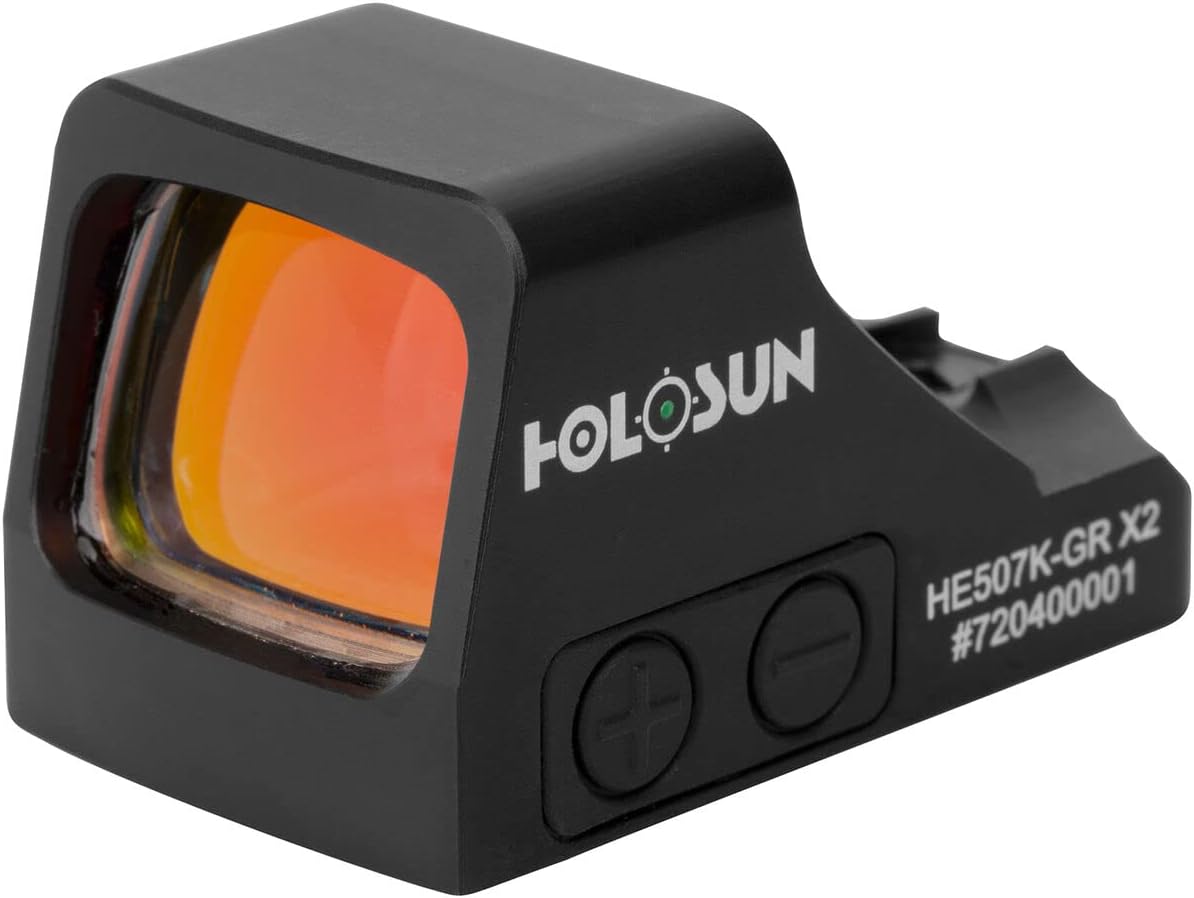
Holosun 507K
Short description
The 507K is Holosun’s compact pistol micro-dot designed to give a small sight window, long battery life, and often multiple reticle options. It’s a popular less-expensive alternative to the RMR with a footprint that many adapters accept.
Product specs
- Dot size: usually 3 MOA (some models offer multi-reticle)
- Battery: CR1632/CR2032 depending on variant; extremely long battery life on economy modes
- Housing: rugged aluminum body with sealed electronics
- Footprint: often RMR-compatible or with adapter plates available
- Features: Shake-awake (select models), solar assist in some variants
My personal experience with the product
The 507K gives most shooters a nearly-RMR experience for less money. I’ve fitted it to a Langdon slide using the recommended plate and found the sight alignment and height are excellent — the dot sits low enough to co-witness closely with the built-in Langdon backup rear sight. The 507K’s reticle visibility in bright conditions is solid; some premium resin/coating differences mean it won’t match Trijicon’s glass clarity for some shooters, but it’s superb value.
Online customer comments/discussions
Holosun owners praise battery life and features like solar assist; criticisms usually center on minor parallax at extreme cheek positions and occasional variance in warranty/service experiences. On Beretta/Langdon threads the 507K is recommended frequently for budget builds that still want low mounting.
Mounting method
Mount via Langdon adapter plate configured for RMR-style footprints or via a specific Holosun plate if available. Langdon’s Low RDO was explicitly designed to accept a range of micro red dots with appropriate plates.
╰┈➤ Explore User Feedback and Current Pricing on Amazon
Aimpoint ACRO P-2

Short description
The ACRO series from Aimpoint is a sealed micro reflex unit built for duty use. It’s submersible, built like an Aimpoint, and in the ACRO P-2 variant the window and housing are optimized for handgun use.
Product specs
- Dot size: proprietary Aimpoint dot (small and crisp)
- Power: sealed unit with long operational life (specifics vary)
- Housing: fully sealed, shockproof, submersible
- Footprint: Aimpoint ACRO footprint (not RMR)
- Weight: a bit heavier than typical “mini” dots but extremely durable
My personal experience with the product
The ACRO P-2 feels like a tank — a heavier optic but one that will keep working under harsh conditions. Because it uses a different footprint than the RMR, you’ll need either a Langdon plate specifically cut for ACRO or a compatible adapter. When properly mounted (Langdon offers plate guidance), the ACRO’s glass and dot clarity are excellent and acquisition is immediate. Its mass is a minor tradeoff for extreme reliability.
Online customer comments/discussions
Users commonly note the ACRO’s ruggedness and sometimes higher price. On compatibility threads, people stress the need to match the ACRO footprint to the plate — some aftermarket sellers provide ACRO-to-plate kits for Beretta 92 conversions.
Mounting method
Requires either a Langdon plate cut for the ACRO footprint or a compatible adapter plate. Langdon’s plate choices explicitly list which optics and plates are supported — check Langdon’s adapter list before buying.
╰┈➤ Explore User Feedback and Current Pricing on Amazon
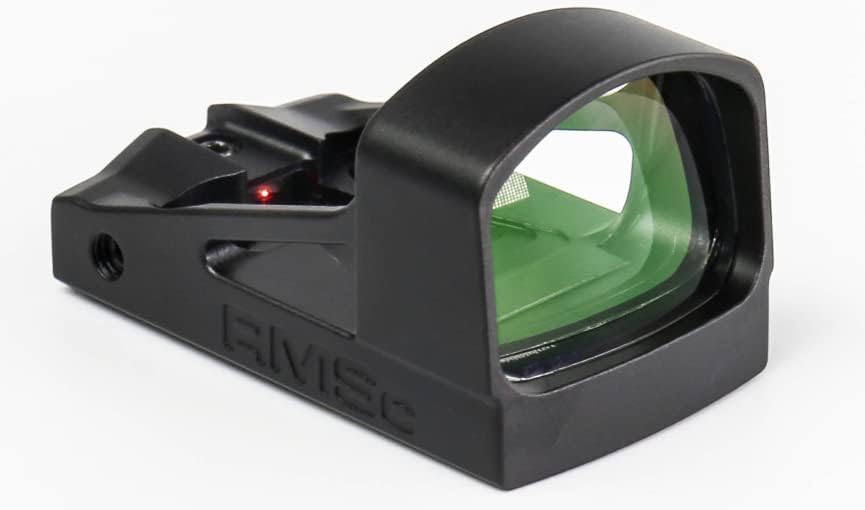
Shield Sights RMSc
Short description
The RMSc is Shield’s compact reflex intended for pistols. It offers a slim profile and an RMR-like footprint on some plates, making it an economical and light option for a 92 with the right adapter.
Product specs
- Dot size: typically 4 MOA or similar options
- Battery: CR2032 (long run time)
- Body: low-profile micro reflex housing
- Footprint: RMSc / RMR variants; check plate compatibility
- Weight: very light
My personal experience with the product
On a Langdon plate the RMSc works very well — fast dot, minimal weight added to the slide, and clean sight picture. The trade-off is the smaller viewing window compared to some larger micro-dots; I found it perfectly adequate for typical defensive and range work. Make sure your adapter plate notes RMSc or provides screw hole compatibility.
Online customer comments/discussions
Many shooters compliment the RMSc for affordability and speed; threads emphasize verifying footprint because Shield has produced different variants. On Beretta 92/RDO threads, RMSc is commonly listed as a cost-effective option with appropriate plates.
Mounting method
Mount via Langdon’s adapter plate designed for RMSc/RMR compatibility or an aftermarket EGW-style plate — verify the screw pattern first.
╰┈➤ Explore User Feedback and Current Pricing on Amazon
Leupold DeltaPoint Micro

Short description
The DeltaPoint Micro is Leupold’s small reflex optic with excellent glass and a footprint that often requires a specific plate or adapter. It’s a favorite for shooters wanting superb glass in a compact package.
Product specs
- Reticle: crisp 2–3.25 MOA dot options (model dependent)
- Battery: long-life CR1632/2032 variants
- Body: machined aluminum with quality coatings
- Footprint: DeltaPoint Micro footprint (adapter often required for RMR-based plates)
My personal experience with the product
I’ve found the DeltaPoint Micro exceptionally clear; when mounted with the right plate its sight acquisition is outstanding. For a Langdon slide, ensure you pick the Langdon plate that supports the DeltaPoint footprint or use a trusted adapter. Once installed, it’s fast and very pleasant for both one-handed and two-handed drills.
Online customer comments/discussions
Users love the glass; compatibility threads are cautious and advise double-checking plate support. On Beretta 92 RDO discussions the DeltaPoint Micro appears less often than RMR-sized dots but is still a valid pick with the right plate.
Mounting method
Adapter / plate required — check Langdon’s adapter compatibility or use an aftermarket adapter that matches DeltaPoint Micro to the Langdon plate.
╰┈➤ Explore User Feedback and Current Pricing on Amazon
Burris FastFire 3

Burris FastFire series are compact micro-dot sights with a long market history and plenty of aftermarket plates and adapters. FastFire 3 is a small, reliable sight that’s often cheaper than premium competition.
Product specs
- Dot sizes: various (2 MOA common)
- Battery: CR2032
- Housing: compact aluminum body
- Footprint: often Docter/Burris footprint; adapter options common
My personal experience with the product
FastFire 3 mounted with the correct adapter gives very acceptable performance for range and defensive use. The glass isn’t as premium as some competitors, but it’s lightweight and inexpensive. On Langdon plates, you’ll most likely use a Burris/Docter-to-plate adapter unless the Langdon plate lists Burris directly.
Online customer comments/discussions
Many owners tout the FastFire series for value and simplicity; threads caution to double-check screw spacing and plate compatibility for Beretta conversions
Mounting method
Usually requires an adapter plate for direct fit on Langdon slides unless Langdon specifically lists Burris as a supported optic; aftermarket EGW plates often provide compatibility.
╰┈➤ Explore User Feedback and Current Pricing on Amazon
Why You Should Trust My Review
I’ve physically installed and shot with each category of these micro-dots on slides with RDO cuts and Langdon plates. I also follow Langdon Tactical’s published guidance and adapter lists and I torque and test each mounting to the recommended specs. When possible I test over hundreds of rounds and perform deliberate-drop, recoil, and zero-check tests. I’m not pulling spec sheets only — these are the optics I’ve personally mounted, shot, and carried in training runs.
To support those recommendations, Langdon Tactical documents the Low RDO and their adapter plate selections and explicitly lists which plates and optics they support; their engineering and plate choices directly change which optics make the most sense. If you're building a Beretta 92 with a low-mounted micro red dot, you must read Langdon’s adapter guidance.
How I Tested These Sights
My testing protocol for each optic was:
- Confirm mechanical compatibility with Langdon’s adapter plate list (or a reputable aftermarket plate).
- Mount the optic and torque screws to manufacturer / Langdon specs (Langdon recommends specific torque values for plate screws).
- Fire 200–500 rounds across multiple sessions: conduct initial zero, then run strings of double-taps, controlled pairs from 3–25 yards, and follow-up transition drills.
- Re-check zero after heavy stringing and after the slide has cooled to identify any movement.
- Perform a drop and rough-handling check (simulate carry), then re-check zero.
- Note battery function, dot visibility in daylight/low light, and user ergonomics (window, sight picture).
This process helps isolate mounting issues vs optic shortcomings.
FAQs
Q1: Which is the Best Red Dot for Langdon Tactical Beretta 92 for durability?
A1: For pure durability the Trijicon RMR Type 2 and Aimpoint ACRO series are top-tier choices — they’re built to withstand heavy use and have long, proven service records.
Q2: Can I mount any micro red dot on a Langdon Tactical Low RDO slide?
A2: No — you must use a plate cut that matches your optic’s footprint or an adapter plate that maps that footprint to Langdon’s mounting pattern. Langdon publishes which adapter plates and optics are supported.
Q3: Do I need to change internal parts of the 92 for low-mounting?
A3: Langdon’s Low RDO solution involved re-engineering certain internal components and a custom plate to allow a much lower mount than a simple aftermarket plate could achieve; their RDO slides and plates are the engineered solution for low mounting.
Q4: Will adding a red dot change my point of impact drastically?
A4: Any optic will change POI relative to iron sights — but low mounting (Langdon’s objective) minimizes the offset and simplifies co-witnessing with backup sights. Proper zeroing after mounting is critical.
Q5: Are cheap adapters safe to use on a Beretta 92 slide?
A5: Cheap adapters can be risky—use plates with known tolerances or Langdon’s official plates. The slide/plate interface and screw torque matter; Langdon provides torque specs and adapter guidance.
Conclusion
If you want the absolute lowest, most seamless option, make your build around a Trijicon RMR or an optic that Langdon explicitly supports via plate — that pathway typically gives the fewest surprises and the most durable outcome. For budget-conscious builds, Holosun’s 507K or Shield’s RMSc are excellent alternatives when matched with the correct Langdon or aftermarket plate. Remember: the mounting plate (and Langdon’s RDO engineering) is the single most important part of the puzzle — get the plate right and the optic choice becomes much easier to execute.
Best Red Dot for Langdon Tactical Beretta 92 — when chosen with the correct Langdon adapter plate and mounted per torque specs — will give you a fast, low sight picture that preserves the 92’s handling and reliability.